Current conditions: The powerful storm system rolling through the Midwest and the Plains on Thursday caused more than 350 incidents of severe weather in just two states, Iowa and Michigan • New York City is getting its own thunderstorm today, which will break the heat going into the weekend • Temperatures in Mecca are already 110 degrees Fahrenheit, and will climb higher on Saturday.
THE TOP FIVE
1. Energy Department’s terminations of ‘blue state’ grants ruled unconstitutional
The Department of Energy has reversed its terminations of 11 grants to clean energy projects in states that voted for former Vice President Kamala Harris in 2024. The move comes months after the U.S. District Court for the District of Columbia ruled that the cancellations violated the Fifth Amendment’s equal protection guarantee, citing the continuation of comparable grants to states that voted for President Donald Trump in the election. Under the terms of an agreement between the litigants and the federal government filed on Thursday, the Energy Department will vacate the terminations. Among the primary reasons for the decision, according to a blog post from a network for former Energy Department officials, is that the agency itself admitted that part of its justification for canceling the projects was that they were listed in documents as taking place in “blue states.” But it wasn’t just Democratic-leaning states that were targeted in the initial cuts last fall. As Heatmap’s Emily Pontecorvo wrote, red state projects were on the chopping block, too.
2. SpaceX breaks IPO history
With shares set to start trading on the Nasdaq this morning, SpaceX is on track to become a $1.7 trillion behemoth after raising roughly $75 billion at its stock market debut. Elon Musk’s rocket business, which has also emerged as one of the world’s leading satellite internet providers, is aiming to launch its first extraterrestrial data center in 2028.
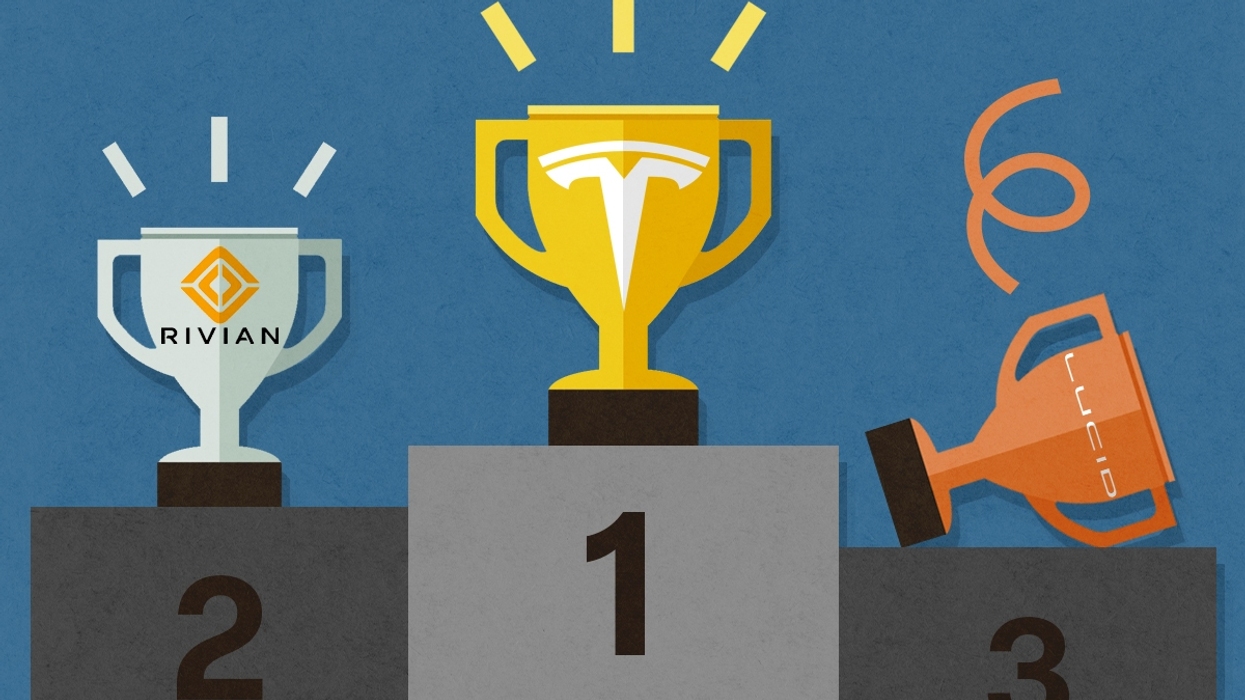
Musk’s business empire has spawned an entire ecosystem of companies looking to innovate on hardware and categories venture capitalists call “deep tech.” As Emily and Matthew Zeitlin wrote in a feature yesterday, Musk — once a don of the PayPal mafia — has now emerged at the helm of a new “climate tech mafia” that includes such startups as the next-generation transformer maker Heron Power and the fusion company Maritime Fusion.
3. Judge recommends against allowing private equity to buy Michigan hydroelectric dams
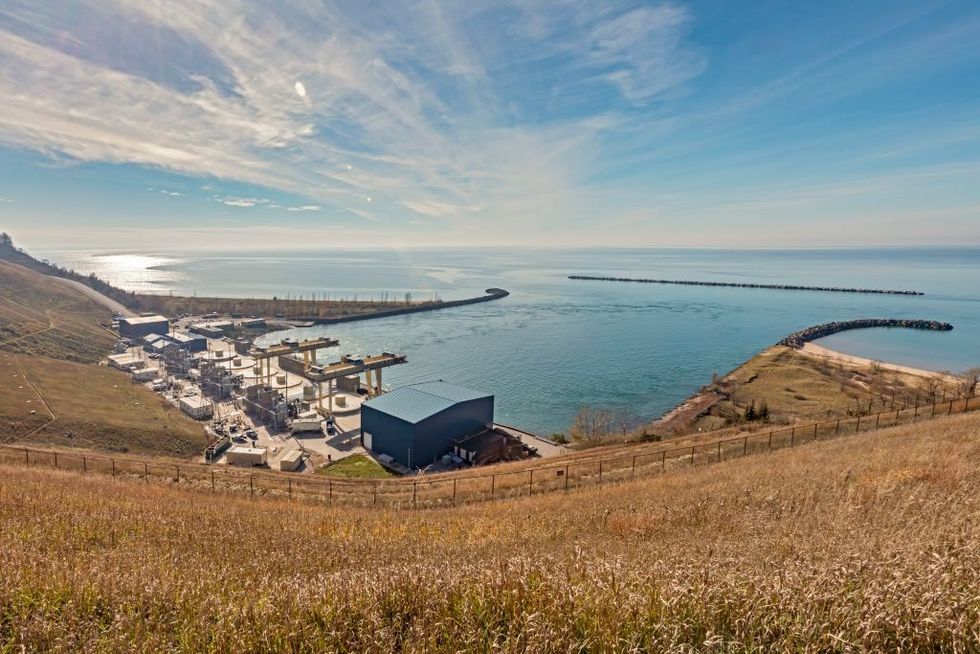
 Consumers’ Lake Michigan pumped storage hydroelectric plant. Jim West/UCG/Universal Images Group via Getty Images
Michigan utility regulators should reject utility giant Consumers Energy’s proposed sale of 13 hydroelectric dams to a private equity buyer. In a 312-page ruling detailed by Bridge Michigan, an administrative law judge called the utility’s plan to sell the dams and buy back power at an inflated price “highly problematic” and “inconsistent with the public interest.”
The proposed deal is a sign of growing interest in hydropower, even as existing dams struggle through lengthy relicensing processes. Just last month, the investment firm Hull Street bought the North American hydro giant First Light. Last July, Google brokered the biggest hydropower deal in history, purchasing 3 gigawatts of power.
Sign up to receive Heatmap AM in your inbox every morning:
4. GM is bringing sodium-ion battery production to the U.S.
General Motors has inked a deal with the sodium-ion battery startup Peak Energy to deploy the competitors to lithium power packs as energy storage systems. The automaker’s investment arm, GM Ventures, will back a partnership with Peak Energy (incidentally another Musk mafia company, co-founded by former Tesla director Landon Mossburg). The move highlights electric vehicle manufacturers’ shift toward grid storage as the battery-making capacity that came online has failed to find demand for all-electric cars. “We believe sodium-ion will be a defining chemistry for grid-scale energy storage systems in the years ahead,” Kurt Kelty, vice president of battery and sustainability at General Motors, said in a statement to InsideEVs.
5. Britain is planning Europe’s largest carbon removal plant
The United Kingdom is preparing to build Europe’s largest direct air capture facility. Three companies — the developer Progressive Energy, and the carbon-capture specialists Airhive and Mission Zero Technologies — formed a joint venture to build a new plant in northeast England, Bloomberg reported. The venture, wittily named UnionDAC, would come online in 2030 and sequester 60,000 tons annually within two years.
In the U.S., meanwhile, the startup Twelve brought America’s first commercial e-fuels plant online, using direct air capture to suck CO2 out of the thin air. The company, according to Hydrogen Insight, already has offtake agreements with Alaska Airlines, while Microsoft will purchase the environmental attributes of the fuel to reduce its reported emissions from air travel.
THE KICKER
New York is officially moving forward with its ambitious nuclear plans. On Thursday, the state Public Service Commission launched a bid to procure 5 gigawatts of nuclear power to serve as the “backbone of zero emissions electricity.” The process kicks off with “a full examination of ways to bring new advanced nuclear power online in a timely, cost-effective manner.” In a statement, Governor Kathy Hochul, a Democrat up for reelection this year, said advanced nuclear “is one of the best available options to provide both relief to consumers and strengthen the resilience of New York’s grid with round-the-clock emissions-free energy,” noting that the push is part of her “vision for an all-of-the-above energy strategy that includes renewables and other forms of energy to keep the lights on.”
Editor’s note: This story has been updated to correct details related Twelve’s commercial operations and the number of gigawatts of nuclear power New York is attempting to procure.


 Consumers’ Lake Michigan pumped storage hydroelectric plant. Jim West/UCG/Universal Images Group via Getty Images
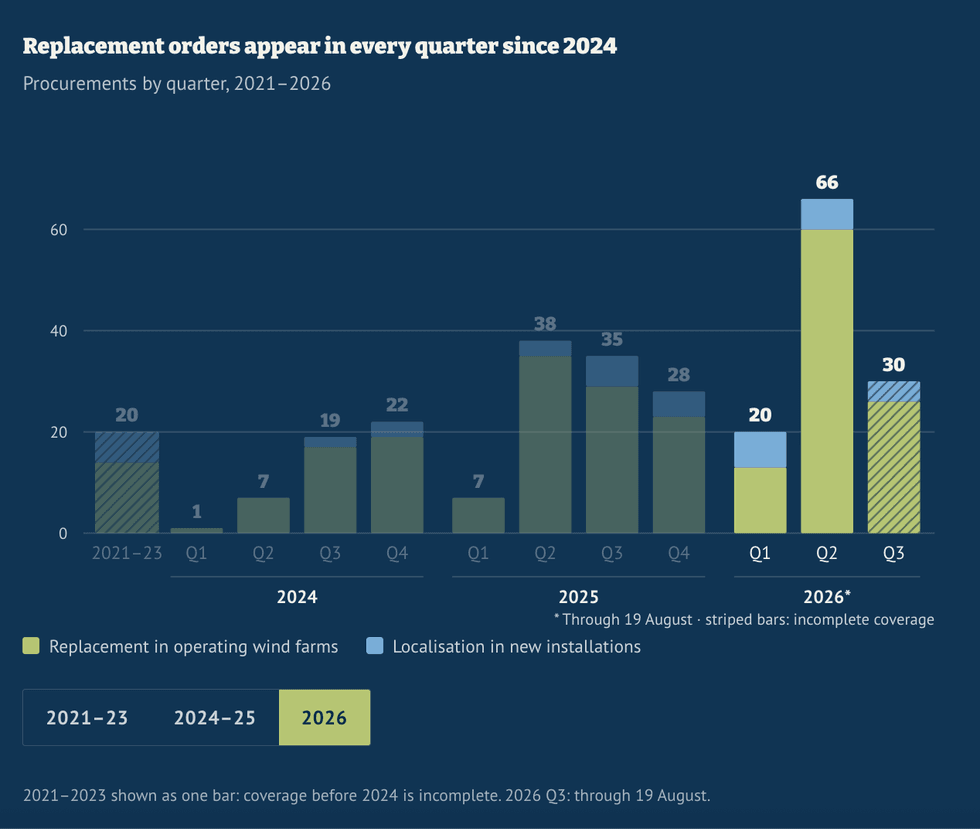 The great localization push of 2026. OSW
 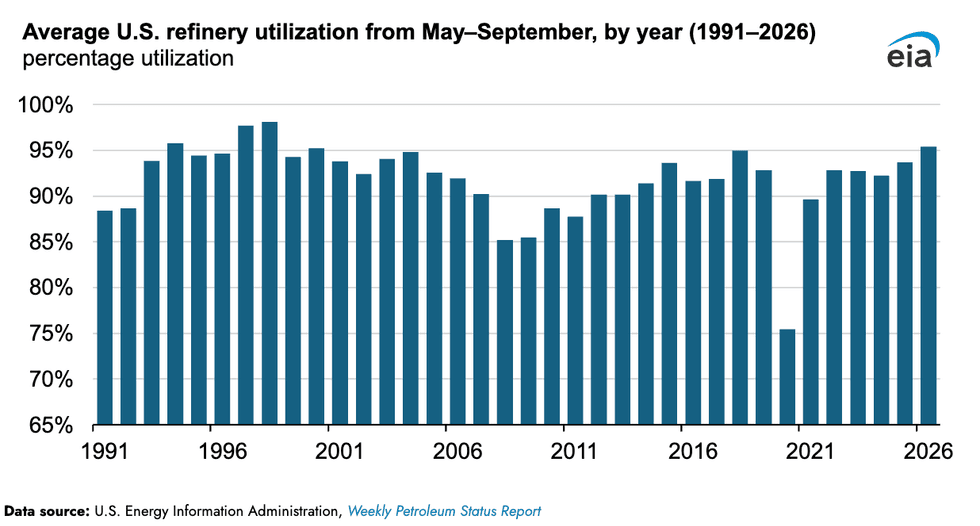 The 1990s are back. EIA