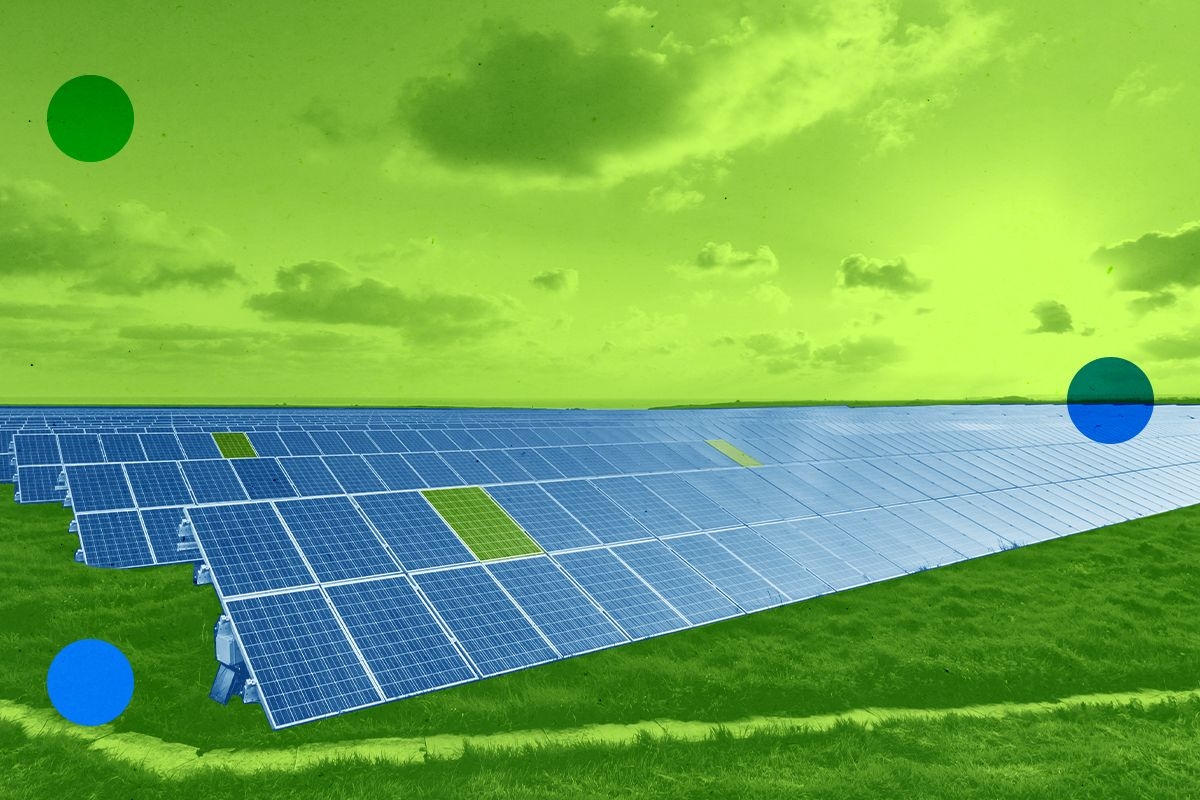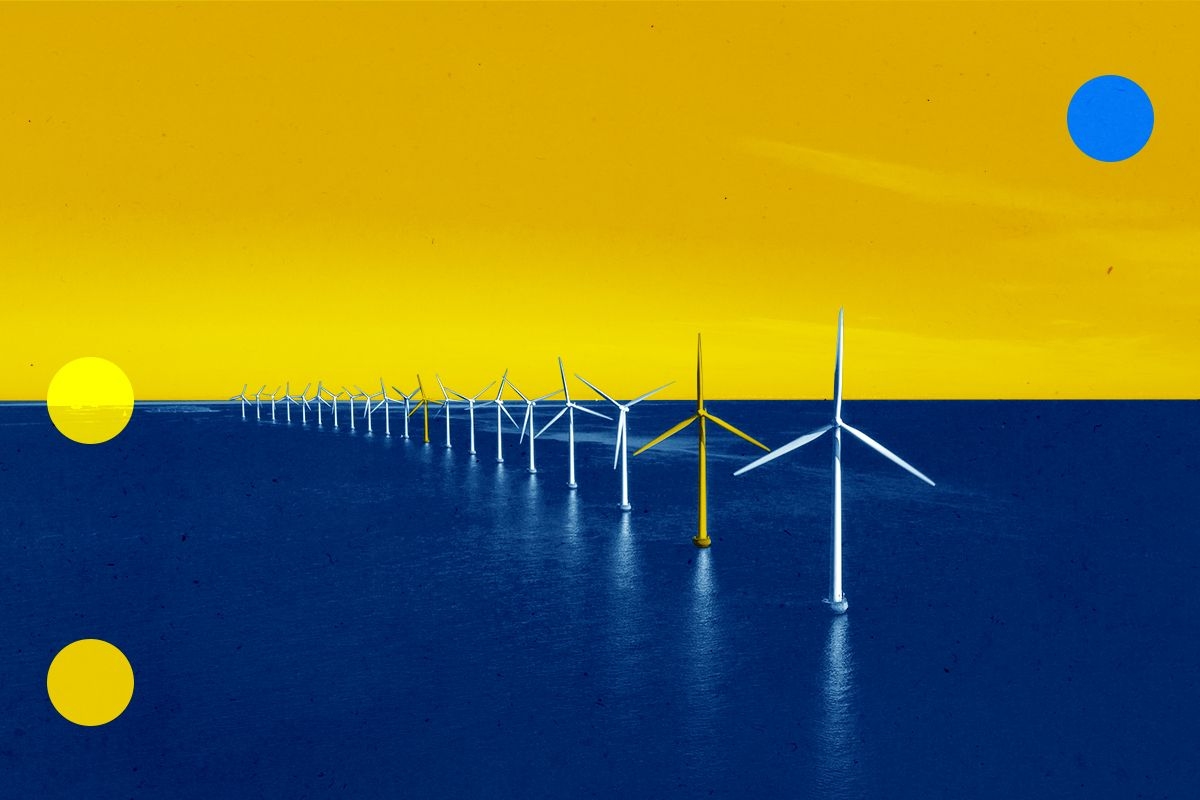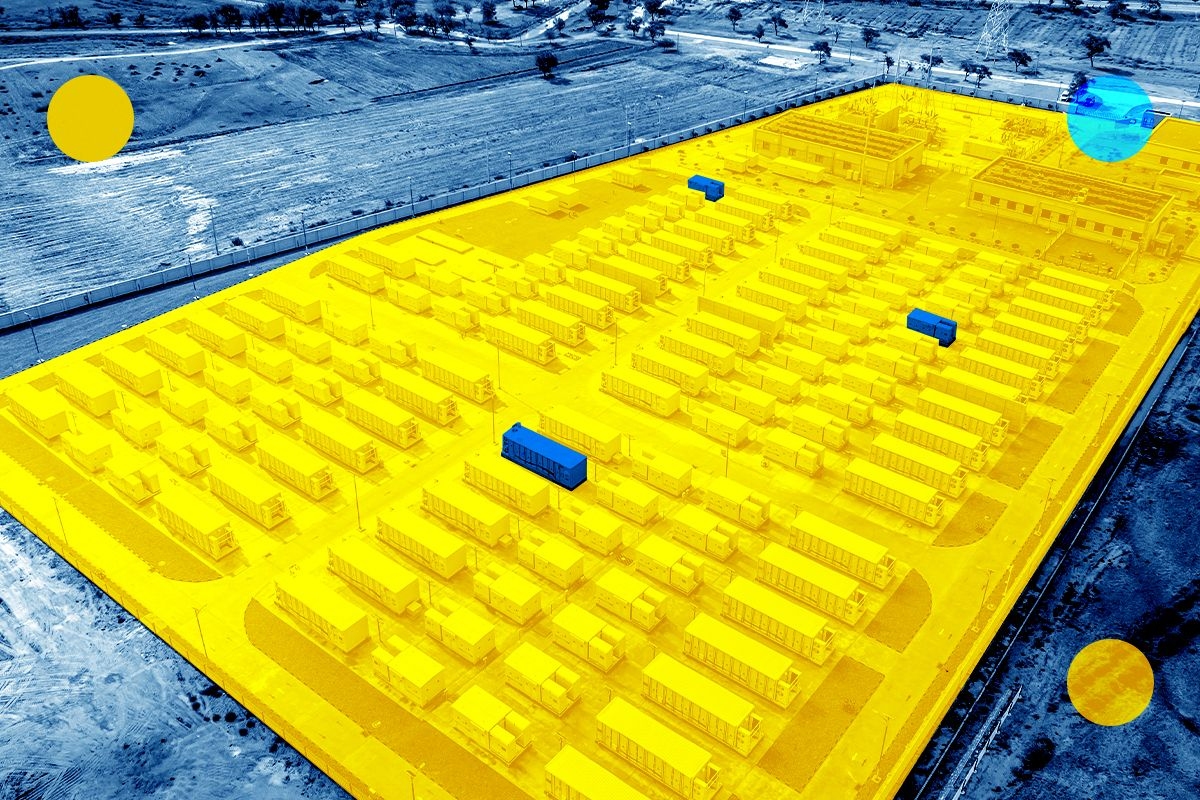
Here at Heatmap, we write a lot about decarbonization — that is, the process of transitioning the global economy away from fossil fuels and toward long-term sustainable technologies for generating energy. What we don’t usually write about is what those technologies actually do. Sure, solar panels convert energy from the sun into electricity — but how, exactly? Why do wind turbines have to be that tall? What’s the difference between carbon capture, carbon offsets, and carbon removal, and why does it matter?
So today, we’re bringing you Climate 101, a primer on some of the key technologies of the energy transition. In this series, we’ll cover everything from what makes silicon a perfect material for solar panels (and computer chips), to what’s going on inside a lithium-ion battery, to the difference between advanced and enhanced geothermal.
There’s something here for everyone, whether you’re already an industry expert or merely climate curious. For instance, did you know that contemporary 17th century readers might have understood Don Quixote’s famous “tilting at windmills” to be an expression of NIMYBism? I sure didn’t! But I do now that I’ve read Jeva Lange’s 101 guide to wind energy.
That said, I’d like to extend an especial welcome to those who’ve come here feeling lost in the climate conversation and looking for a way to make sense of it. All of us at Heatmap have been there at some point or another, and we know how confusing — even scary — it can be. The constant drumbeat of news about heatwaves and floods and net-zero this and parts per million that is a lot to take in. We hope this information will help you start to see the bigger picture — because the sooner you do, the sooner you can join the transition, yourself.
This series was produced with the generous support of OER Project, which empowers educators around the world.
Without further ado, here’s your Climate 101 syllabus:
- What Goes on Inside a Solar Panel?
- The Ins and Outs of Wind Energy
- How Do Batteries Work on the Grid?
- What Is Geothermal Power and How Does It Work?
- Why We Need Carbon Removal
Once you feel ready to go deeper, here are some more Heatmap stories to check out:
- Our summer podcast series, Shift Key Summer School, covering such topics as how power markets work and what is a watt? Plus a bonus episode: a beginner’s guide to hydrogen.
- Robinson Meyer on the end of one kind of climate science and the dawn of another.
- Emily Pontecorvo on carbon removal’s existential question.
- Our previous guide to nuclear, and Matthew Zeitlin on why everyone wants it now.
- Jeva Lange on what we know about the links between climate change and extreme weather.
- Katie Brigham on how anything, it seems, can be a battery.
- And of course, our award-winning Decarbonize Your Life series.