Current conditions: The death toll from Colombia’s earthquake has risen beyond 250 • A severe thunderstorm flipped a car in Columbus, Ohio, as a large system swept across the Midwest • A partial solar eclipse is set to occur the Northeast.
THE TOP FIVE
1. Democratic socialist who pledged to ban data centers narrowly loses Wisconsin gubernatorial primary
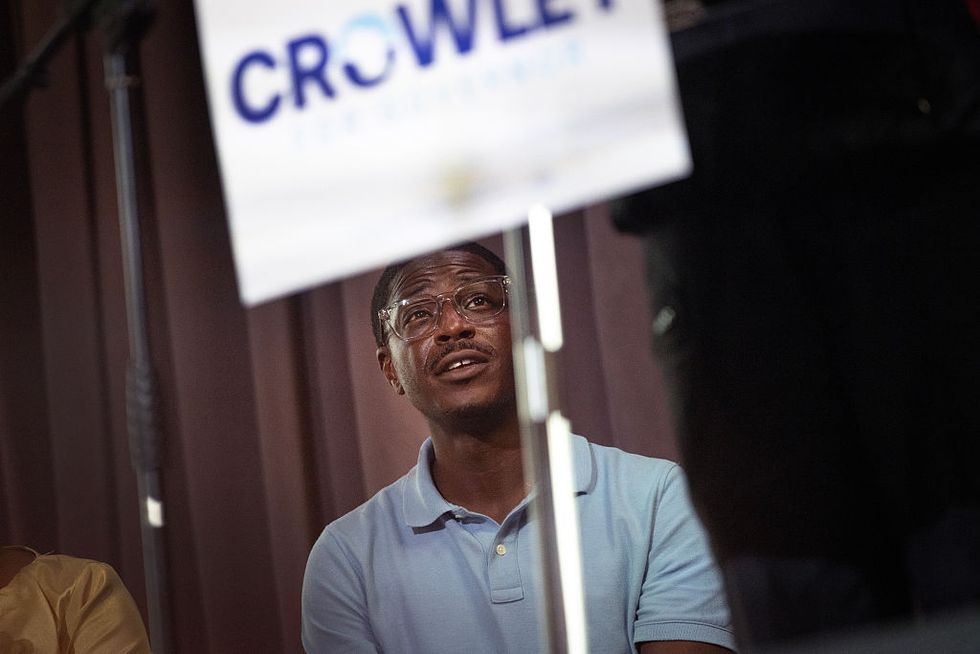
 David Crowley. Scott Olson/Getty Images
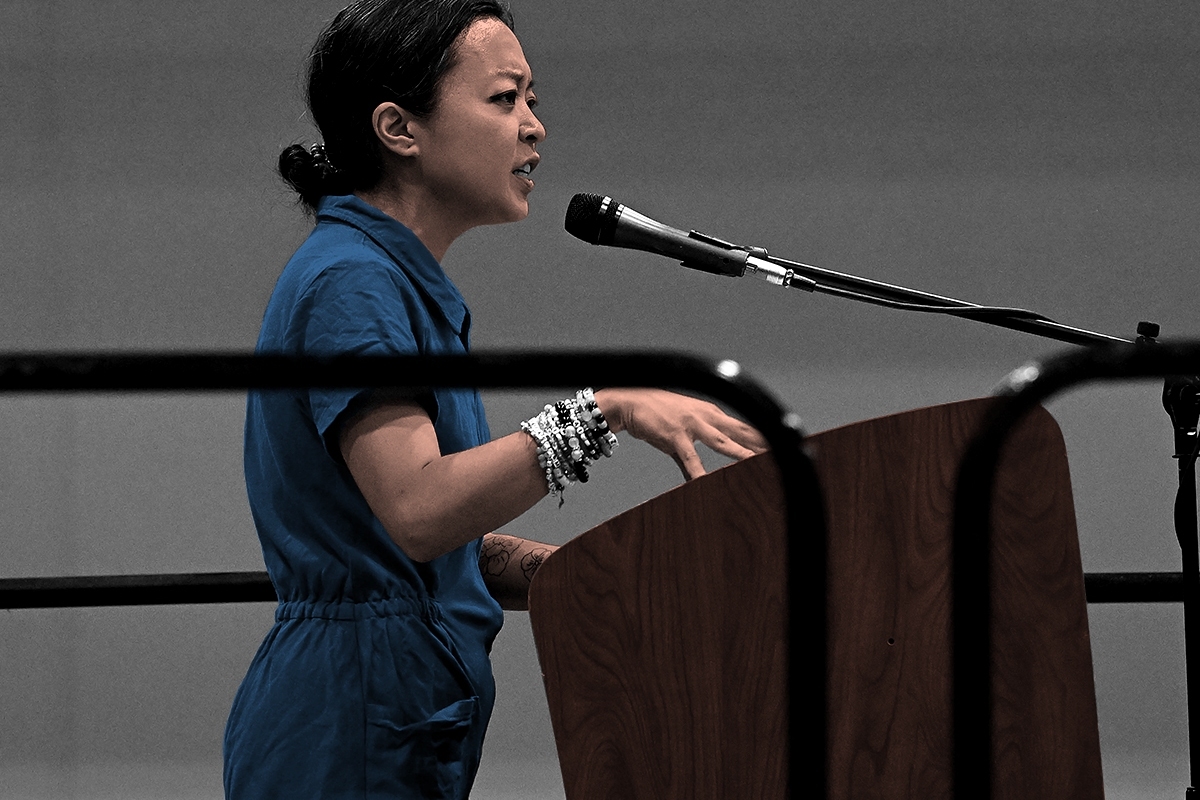
David Crowley, a moderate Democrat and local official in Milwaukee, narrowly defeated Francesca Hong, a leftist state lawmaker and former ramen chef, in the Democratic gubernatorial primary in Wisconsin last night. The race marked one of the most significant tests of Democratic voters’ willingness to elect a member of the ascendant Democratic Socialists of America, now the most popular socialist group in U.S. history. Her campaign promised to make childcare and school lunches free, repeal anti-union laws, and give renters more protections against eviction. She also pitched what she called her “control-alt-delete” plan to eliminate tax credits for data centers and put a statewide moratorium on permits for new artificial intelligence facilities.
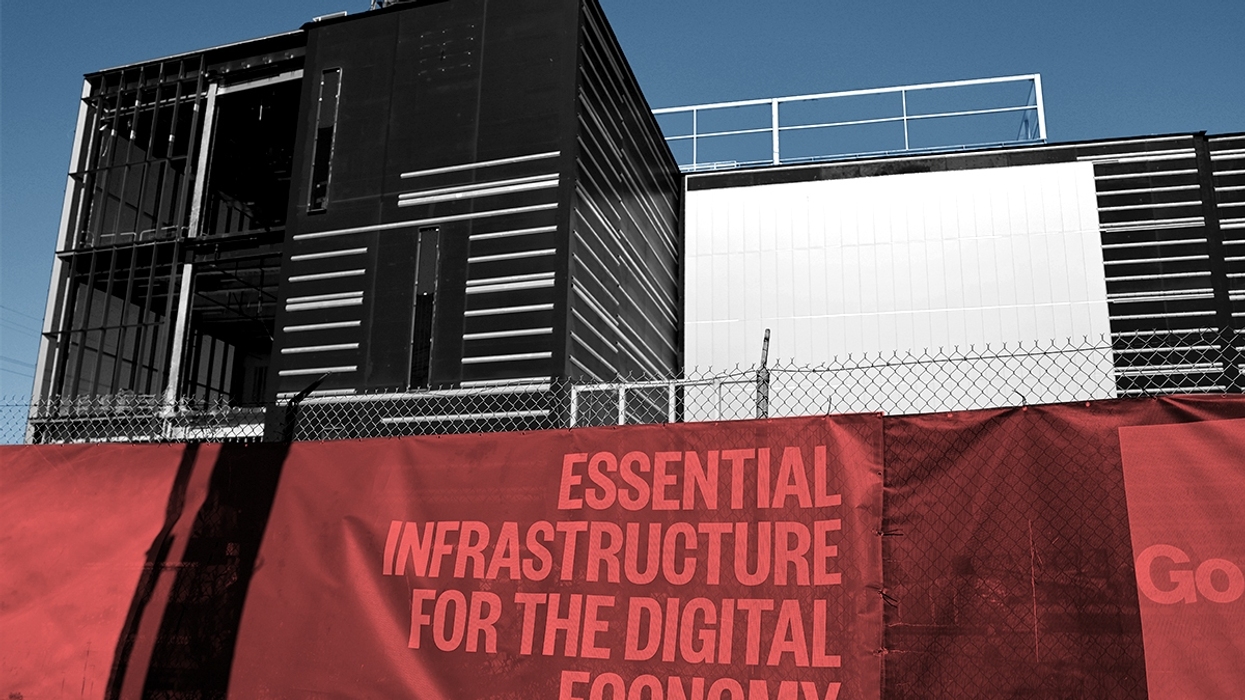
Ahead of Tuesday’s primary, the AI developers Vantage, Oracle, and OpenAI announced a $60,000 community investment in Port Washington, which my colleague Jael Holzman described as “the most controversial data center development area in the state.”
2. New bill would reward offshore wind developers for bucking Trump
Just last week, the Trump administration agreed to pay the energy giant RWE more than $1.2 billion to abandon an offshore wind project, the latest in a series of deals in which taxpayers hand over billions to not receive new sources of clean electricity they badly need. On Tuesday, Senators Alex Padilla, the California Democrat, and Angus King, the independent from Maine, introduced a bill that would give companies that reject Trump’s payouts an expedited route to more development. “The Trump Administration is doing everything it can to kill California’s offshore wind future, handing energy companies billions of taxpayer dollars to walk away from projects that would have powered millions of homes,” Padilla said in a press release. “This bill makes sure their destructive approach doesn’t waste what’s already been invested so we can get these leases back to work, create the jobs Trump killed, and keep energy bills low for working families instead of letting his war on renewables cost Californians even more.”
The bill has one potential flaw, other than the fact that Republicans are unlikely to pass it and President Donald Trump is even less likely to sign it. That, as my colleague Robinson Meyer wrote this week, is that the roughly $4 billion in payouts so far went to projects that were “already dead or dying.” The money spent, in other words, is “for nothing.”
3. Copper nears its record high as a smelter outage drives up global prices
Please read the following two sentences in the tone of the famous scene of Tony Soprano defending Christopher Columbus: In this newsletter, Ea-nāṣir, the Mesopotamian copper merchant from Bronze Age-era Ur whose stone-carved complaints about a subpar metal shipment remain readable millennia later, is a hero. End of story! Why, you might ask? Because we are once again living through an age where copper, the basic building block of all things electric, is in high demand. Copper soared back to within half a cent of its record high Tuesday of nearly $14,000 per metric ton after an outage at a major smelter in Indonesia rattled global prices, Mining.com reported.
The fight over North America’s only major cobalt refinery, meanwhile, is heating up. The mining giant Glencore made a bid for control of Sherritt International, which has taken a beating from U.S. sanctions due to its 50% stake in Moa, a joint venture with the Cuban government. The joint venture’s assets include the Canadian refinery and Moa nickel-cobalt mine in Cuba. The Glencore-backed consortium is up against Gillon Capital, the family office of Ray Washburne, a Republican fundraiser and former Trump official, according to the Financial Times.
Sign up to receive Heatmap AM in your inbox every morning:
4. Jellyfish influx takes down 3.2 gigawatts of nuclear power in France
Weeks after Europe’s latest heat wave forced inland nuclear stations to pare down output for lack of cooling water in the continent’s rivers, a “massive influx” of jellyfish has forced France’s EDF to shut down three units at its Gravelines nuclear station and cut power from a fourth. That’s taken at least 3.2 gigawatts of capacity offline, Bloomberg reported, right as temperatures are expected to surpass 104 degrees Fahrenheit in the coming days. The unusually hot temperatures off France’s shores have encouraged jellyfish populations to “bloom,” clogging the pumping stations through which coastal nuclear plants like Gravelines pull in cooling water.
In Egypt, meanwhile, construction crews working on the country’s first nuclear station hit a critical milestone. The containment vessel for the Russian-designed El Dabaa plant’s first unit is nearly completed, according to World Nuclear News.
5. NYC eyes geothermal as a way to heat and cool the subway
Digging deep enough into the bedrock around New York City to tap into lava-hot rocks for electricity production is probably still years away, despite the progress that next-generation geothermal companies such as Fervo Energy have recently made. But thermal networks that maintain a steady environment year-round by circulating air at a constant temperature are increasingly popular ways for New Yorkers in private homes outside the city to stay warm in winter and cool in summer. Now the city itself is seeing whether a large-scale version could work for the subway system and municipal buildings. A study is set to begin soon into whether a thermal energy network could be built along subway routes to capture, store, and redirect excess heat that accumulates in the Brooklyn Bridge-City Hall and Chambers Street station complex to municipal buildings above ground. “Radiant cooling technology will absorb heat from the subway platforms and transfer it to geothermal boreholes drilled beneath Chambers Street,” reporter Carlo Cariaga wrote for Think Geo Energy. “This excess heat will then be stored underground until it can be used for supply to nearby municipal buildings during winter.” The contract for the feasibility study is due to be awarded in the fall, with work scheduled to start in early 2027.
“It seems like it’s a good place to test geothermal solutions because it sounds like there is a part of the tracks that isn’t being used, so they don’t have to stop service,” Jack Klein, the citizen researcher who conducted his own gonzo Subway heat study last year, told my colleague Jeva Lange this week.
THE KICKER
Leonardo DiCaprio has long been a major donor to environmental causes. But rarely has the actor taken as clear a stance against green development if it comes at any ecological cost as this. On Tuesday, Bloomberg reported that the Oscar winner had told his nearly 60 million Instagram followers that fewer than 1,000 Pehuenche spiny-chest frogs remain in the wild, and that construction of the proposed Chile-Argentina transmission line threatens the amphibians’ habitat. “Conservationists are not asking for the transmission project to be stopped,” the celebrity wrote in the post over the weekend. “They are asking for it to be built where it does not put a Critically Endangered species at even greater risk.”


 David Crowley. Scott Olson/Getty Images
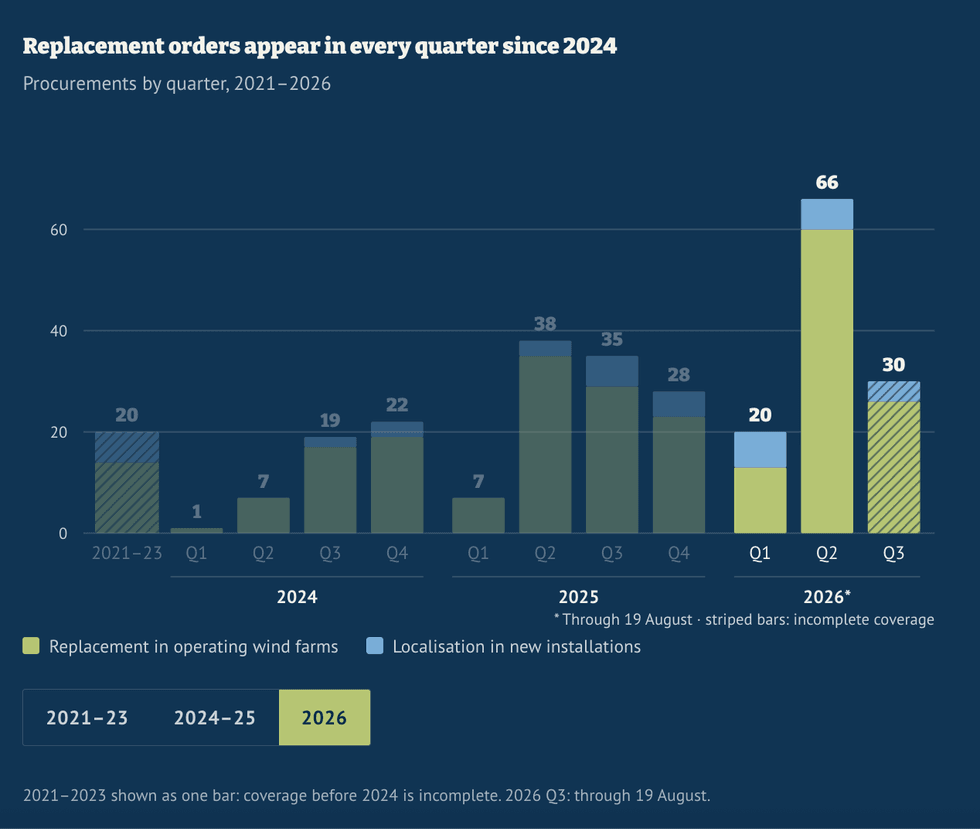 The great localization push of 2026. OSW
 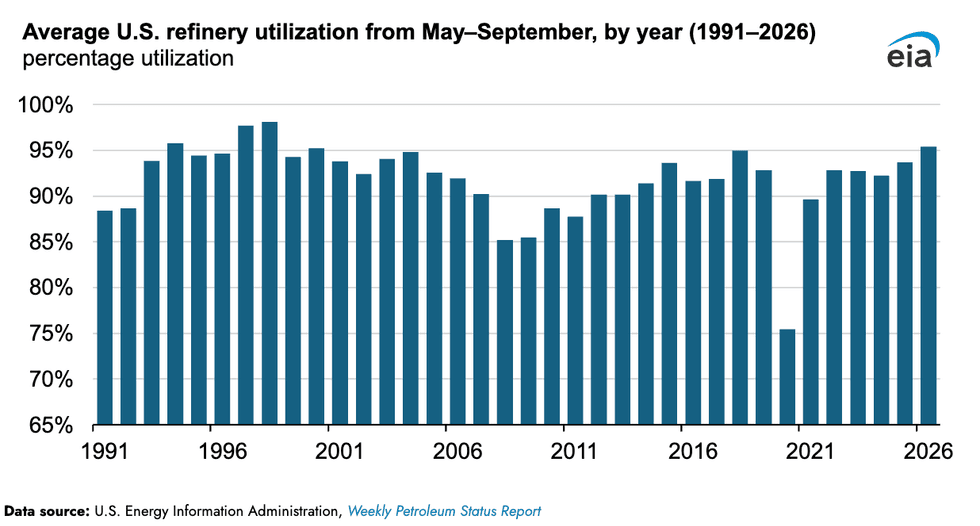 The 1990s are back. EIA