Current conditions: Flooding continues in the Pacific Northwest as the Pineapple Express atmospheric river dumps another 4 inches of rain on Oregon • A warm front with temperatures in the 60s Fahrenheit is heading for the Northeast • Temperatures in Paraguay are surging past 90 degrees.
THE TOP FIVE
1. Trump set to dismantle one of the world’s leading Earth science institutes
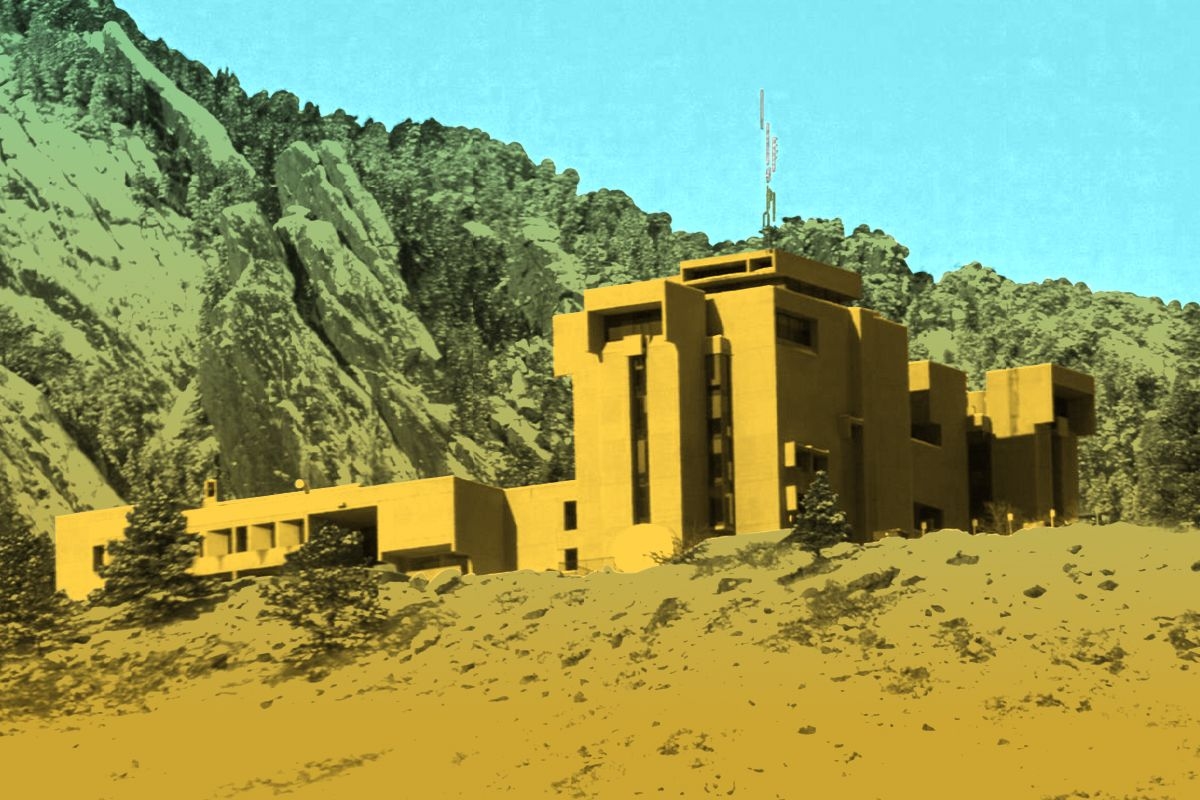
The Trump administration plans to dismantle the National Center for Atmospheric Research in Colorado. Founded in 1960, The New York Times credited the center with “many of the biggest scientific advances in humanity’s understanding of weather and climate.” But in a post on X late Tuesday evening, Russell Vought, the director of the White House’s Office of Management and Budget, called the institute “one of the largest sources of climate alarmism in the country,” and said the administration would be “breaking up” its operations. It’s just the latest attempt by the White House to salt the Earth for federal climate science. As I wrote in August, the administration went as far as rewriting existing climate reports.
2. The nation’s largest grid system maxes out prices at auction
The latest capacity auction in PJM Interconnection, where power generators in the nation’s largest electricity market bid to provide power when the grid is especially stressed, ended at the legally-mandated cap of $333.44 per megawatt. This adds up to some $16.4 billion, a record-setting figure following the past two auctions, which brought in $16.1 billion and $14.7 billion.
This auction covers 2027 through 2028, and is the last that will be subject to the price cap. Despite the dizzying spending, it failed to procure enough power to meet PJM’s preferred 20% reserve margin for a severe demand event. The auction procured 145,777 megawatts of capacity, 6,623 megawatts short of the target, giving the grid a 14.8% margin. Much of that projected demand will come from data centers, which, as Heatmap’s Matthew Zeitlin wrote, have stressed the grid operator nearly to the breaking point.
3. Global coal use set to start a decline, despite Trump’s plant extensions
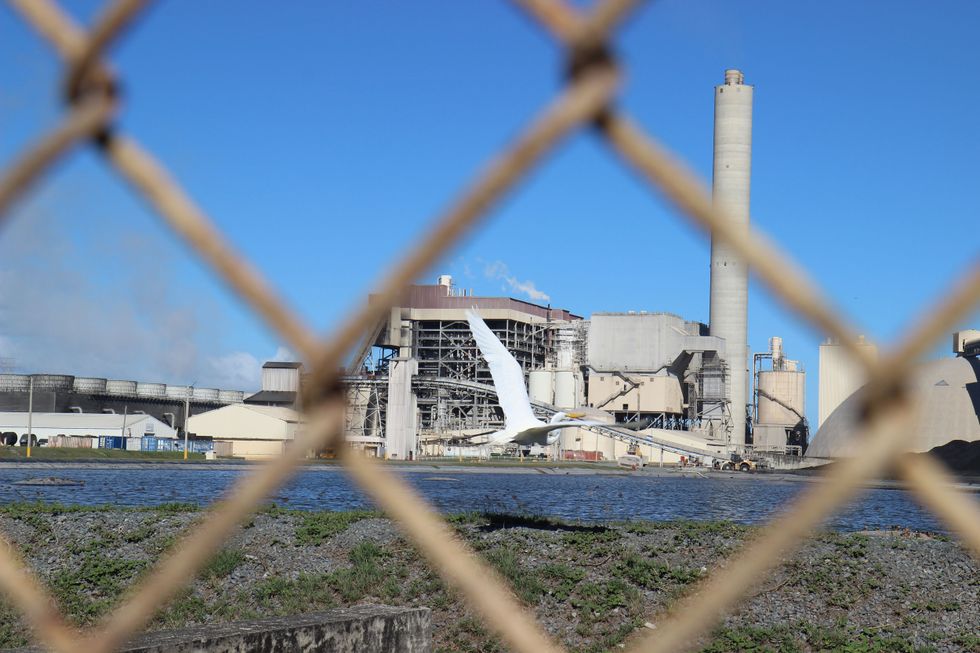
 A view of Puerto Rico's lone coal plant. Alexander C. Kaufman
Global coal use is set to start declining over the next five years as renewables and liquified natural gas gobble up its market share, the International Energy Agency projected in its latest annual forecast Wednesday. Demand is on track to inch upward 0.5% this year to a record 8,845 million tons before dropping 3% by 2030. Analysts warned Bloomberg that coal has remained “stubbornly strong” given high levels of consumption in China and India, and the Paris-based IEA cautioned that its five-year outlook “is subject to significant uncertainties that could impact it materially.”
Among the factors that look increasingly certain: That the Trump administration won’t allow any more U.S. coal plants to shut down. On Tuesday, the Department of Energy ordered the 730-megawatt TransAlta Centralia Generation in Washington to remain past its retirement at the end of this month, despite the state’s ban on coal operations. There’s just one big problem with that plan, as Matthew wrote last month. Old coal plants keep breaking down.
Sign up to receive Heatmap AM in your inbox every morning:
4. Murder of a top MIT fusion scientist shocks the industry
Nuno Loureiro, a professor of nuclear science and the director of the Massachusetts Institute of Technology’s Plasma Science and Fusion Center, died Tuesday after being shot multiple times in his home near Boston the night before. Police statements made no mention of a suspect or motives, but Loureiro’s coveted position as one of the United States’ leading fusion scientists stoked speculation that the killing was politically motivated. Prominent influencers including the Trump adviser Laura Loomer falsely claimed that Loureiro, who was from Portugal, was Jewish and a vocal activist for the Israeli government. But The Jerusalem Post reported that Israeli intelligence officials are investigating potential links between the murder and the Iranian government, though the newspaper cautioned that the assessment “has not yet been verified.” As of now, there is no clear evidence of who killed Loureiro or why. His death shocked the field of research in which he was lauded as a leader. A former colleague in Portugal who started working at the same laboratory with Loureiro years ago in Lisbon and “knew him well” told me, “Everyone here is in shock.”
5. The nuclear industry may just fall in LVOE
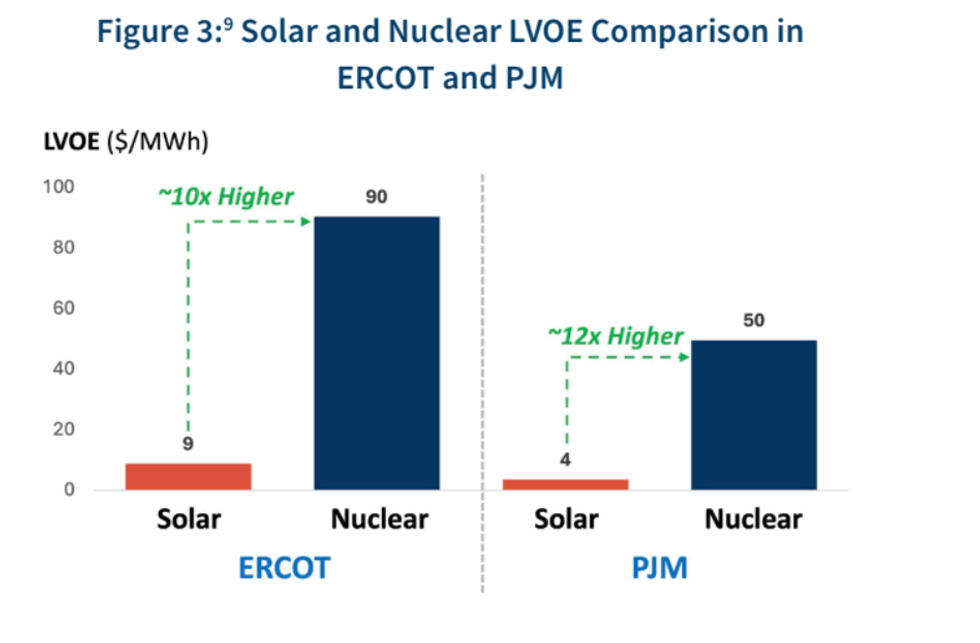
Back in June, Matthew wrote a good piece explaining why the commonly used metric known as levelized cost of energy was “wrong.” Essentially, LCOE represents the energy output of a given source in terms of its construction and operating expenses — the lower the LCOE, the more efficient it is operationally. But the metric fails to capture all the other things that make an energy source valuable, such as the frequency with which it operates, how long it lasts, or how much infrastructure is required to make use of it. When Ontario Power Generation assessed the cost of building new nuclear reactors at its Darlington station, the LCOE showed solar and batteries costing far less. But a full systems analysis found that nuclear reactors would last longer, require fewer transmission upgrades, and would not need back-up generation. A report published this morning by the consultancy FTI has proposed two new metrics instead: Levelized value of energy, or LVOE, “which reflects the total value a project can create for its owners, and Levelized Net Benefit (LNB), which quantifies the broader value a project can deliver to the overall system.” While the LCOE for solar is roughly 40% lower than nuclear power in both Texas’ ERCOT grid system and PJM, a chart from the report shows that nuclear has an LVOE roughly 10 times greater.
 A chart comparing LVOE of nuclear and solar in two major grids. FTI
THE KICKER
Record rainfall last month has revived an ancient lake in an unusual place. When ice covered the Sierra Nevada between 128,000 and 186,000 years ago, a lake 100 miles long and 600 feet deep sat in what is today the Mojave Desert in eastern California. That lake, called Lake Manly, has returned. As the science site Phys.org reported, “now Death Valley, one of the hottest places on Earth and the lowest point in North America, has a desert lake framed by snow-capped mountains.” But the “marvel” is likely to disappear soon.


 A view of Puerto Rico's lone coal plant. Alexander C. Kaufman
 A chart comparing LVOE of nuclear and solar in two major grids. FTI
 The great localization push of 2026. OSW
  The 1990s are back. EIA