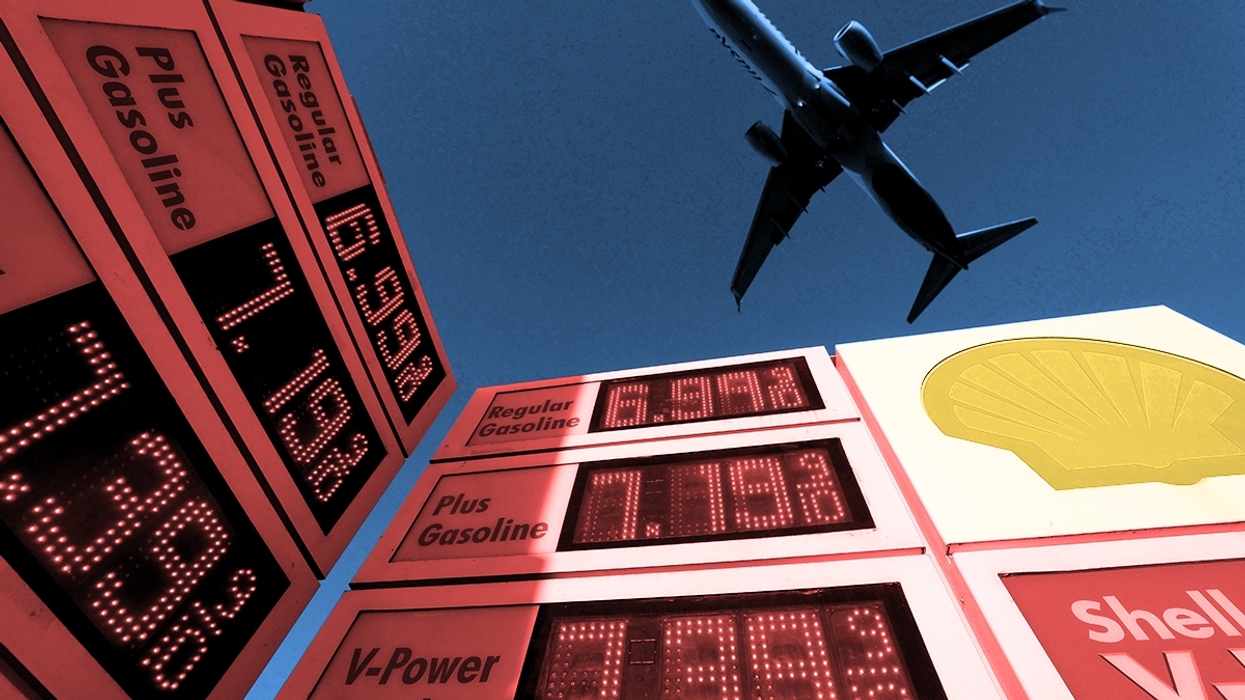
Much of the world is once again asking whether fossil fuels are as reliable as they thought — not because power plants are tripping off or wellheads are freezing up, but because terawatts’ worth of energy are currently stuck outside the Strait of Hormuz in oil tankers and liquified natural gas carriers.
The current crisis in many ways echoes the 2022 energy cataclysm, kicked off when Russia invaded Ukraine. Then, oil, gas, and commodity prices immediately spiked across the globe, forcing Europe to reorient its energy supplies away from Russian gas and leaving developing countries in a state of energy poverty as they could not afford to import suddenly dear fuels.
“It just shows once again the risk of being dependent on imported fossil fuels, whether it’s oil, gas, LNG, or coal. It’s an incredibly fragile system that most of the world depends on,” Nick Hedley, an energy transition research analyst at Zero Carbon Analytics, told me. “Most people are at risk from these shocks.”
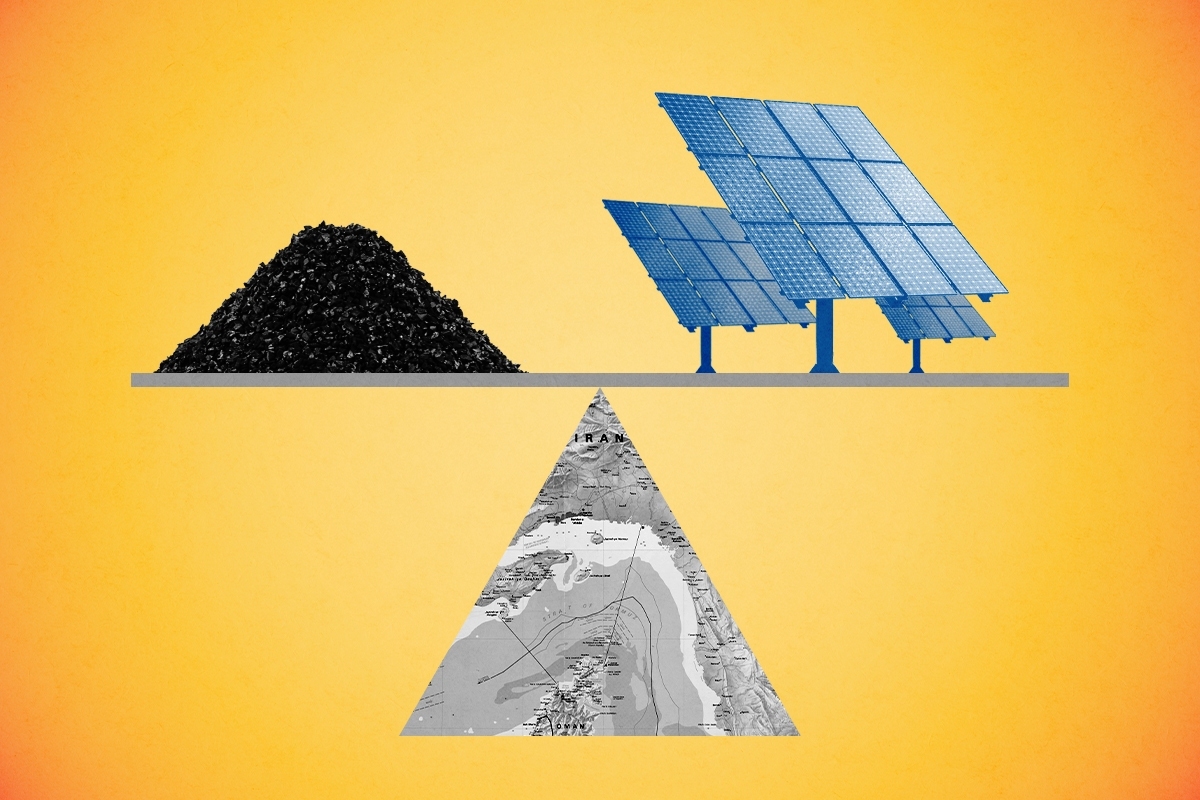
Countries suddenly competing once again for scarce gas and oil will have to make tough decisions about their energy systems, with consequences for both their economies and the global climate. In the short run, it is likely that many countries will make a dash for energy security and seek to keep their existing systems running, either paying a premium for LNG or turning to coal. In the long run, however, this moment of energy scarcity could provide yet another reason to turn towards renewables and electrification using solar panels and batteries.
The Coal Fallback
The immediate economic risks may be most intense to Iran’s east.
About 90% of LNG from Qatar goes to Asia, with Qatar serving as essentially the sole supplier of LNG to some countries. Even if there’s more LNG available from non-Qatari sources, many poorer Asian countries are likely to lose out to richer countries in Europe or East Asia that can outbid them for the cargoes.
For countries like Pakistan and Bangladesh, “The result is demand destruction, not aggressive spot purchasing,” according to Kpler, the trade analytics service.
LNG supply is “critical” for Asia — roughly a fifth of Asia’s power can be traced back to LNG from the Middle East, Morgan Stanley analysts wrote in a note to clients Thursday.
In its absence, coal usage will likely tick up in the power sector, leading to declining air quality locally and higher emissions of greenhouse gases globally. “For uninterrupted power, coal remains the key alternative to LNG and there is flex capacity available in South Asia, which has seen new coal plants open,” the Morgan Stanley analysts wrote.
In India, the government is considering implementing an emergency directive to coal-fired power plants to “boost generation and to plan fuel procurement to meet peak summer demand,” sources told Argus Media.
Anne-Sophie Corbeau, global research scholar at the Columbia University Center on Global Energy Policy, told me that she does “expect to see some coal switching,” and that she has “already seen an increase in coal prices.” Benchmarks have already risen to their highest level in at least two years, according to the Financial Times.
This likely coal surge comes as two of the world’s most coal-hungry economies — namely India and China — saw their electricity generation from coal power drop in 2025, the first time that’s happened in both countries at once in around 50 years, according to an analysis by Lauri Myllyvirta of the Centre for Research on Energy and Clean Air. In much of the rich world, by contrast, coal consumption has been falling for decades.
The Solar Opportunity
At the same time energy insecurity may tempt countries to stoke their coal fleet, the past few years have also offered examples of huge deployments of solar in some of the countries most affected by high fossil fuel prices, leading some energy analysts to be guardedly optimistic about how the world could respond to the latest energy crisis.
In the developing world especially, the need to import oil for gasoline and natural gas for electricity generation weighs on the terms of trade. Countries become desperate to export goods in exchange for hard currency to pay for essential fuel imports, which are then often subsidized for consumers, weighing on government budgets. But at least for electricity and transportation, there are increasingly alternatives to expensive, imported fossil fuels.
“This is the first oil and gas crisis-slash-pricing scare in which clean alternatives to oil and gas are fully price-competitive,” Isaac Levi, an analyst at CREA, told me. “Looking at the solar booms, we can expect this to boost clean energy deployment in a major way, and that will be the more significant and durable impact.”
The most cited example for this kind of rapid emergency solar uptake is Pakistan, which has experienced one of the fastest solar conversions in history and expects this year to see a fifth of its electricity come from solar, according to the World Resources Institute.
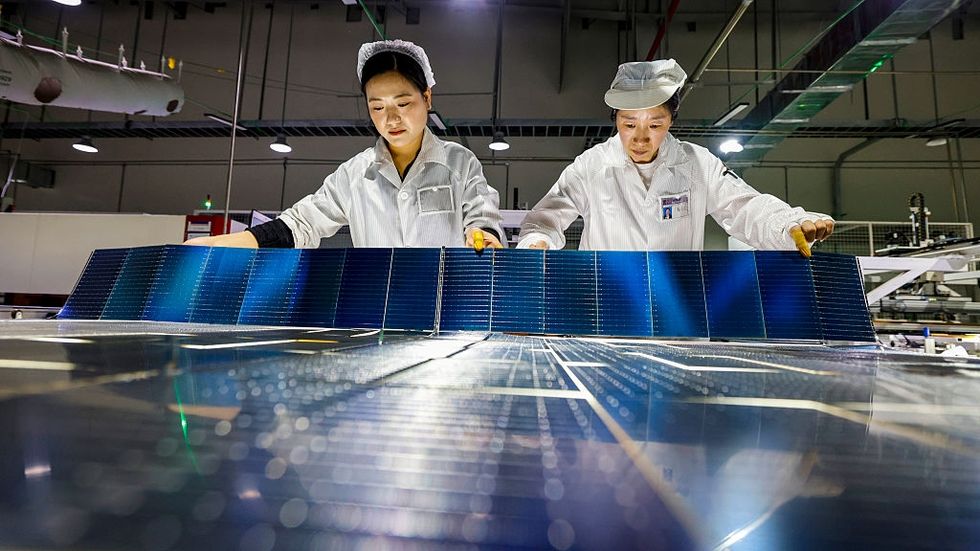
The country was already under pressure from the rising price of energy following the Russian invasion of Ukraine in 2022, when it was forced to hike fuel and power prices and cut subsidies as part of a deal with the International Monetary Fund. From 2021 to 2024, Pakistan’s share of generation from solar more than tripled thanks to the growing glut of inexpensive Chinese solar panels that were locked out of the rich world — especially the United States — by tariffs.
“Countries which are heavily dependent on fossil fuel imports are once more feeling very nervous,” Kingsmill Bond, an energy strategist at the clean energy think tank Ember, told me. “The interesting thing is we have two answers: renewables and electrification. If you want quick results, you put solar panels up quickly.”
Other examples of fast transitions have been in transportation, particularly electric cars.
Ethiopia banned the import of internal combustion vehicles due to worries about the high costs of oil imports and fuel subsidies. EVs make up some 8% of the cars on the road in the East African country, up from virtually zero a few years ago. In Asia, Nepal executed a similar push-pull as part of a government effort to reduce both imports and smog; about five years later, over three-quarters of new car sales in the country were electric.
But getting all the ducks in a row for a green transition has proven difficult in both the rich world and the developing world. Few countries have been able to electrify their economies while also powering them cheaply and cleanly. Ethiopia and Nepal are two examples of electrifying demand for power, particularly transportation. But while the two countries are poor compared to much of the world, they are rich in water and elevation, giving them plentiful firm, non-carbon-emitting electricity generation.
Pakistan, on the other hand, is far from being able to, say, synthesize fertilizers at scale with renewable power. In addition to being a power source, natural gas is also a crucial input in industrial fertilizer manufacturing. Faced with spiking costs, fertilizer plants in Pakistan are shutting down, imperiling future food supplies. All the cheap Chinese solar panels and BYD cars in the world can’t feed a chemical plant.
What remains to be seen is whether this crisis will be severe and enduring enough to lead to a fundamental rethinking about the global energy supply — what kind of energy countries want and where they will get it.
“Energy security crises produce the same structural response: the search for sources that do not require crossing borders and global chokepoints,” Jeff Currie, a longtime commodities analyst, and James Stavridis, a retired admiral and NATO’s former Supreme Allied Commander, argued in an analysis for The Carlyle Group. “Solar, wind, and nuclear are children of the 1970s oil shocks — with growth driven by security, not environmentalism.”
While the United States is not unaffected by the unfolding energy crisis — gasoline prices have spiked over $0.25 per gallon in the past week, and diesel prices have spiked $0.40 — its resilience comes from both its domestic oil and gas production and its solar, wind, and nuclear fleets. Much of this electricity generation and power production can be traced back in some respect to those 1970s oil shocks.
In 2024, the United States imported 17% of its primary energy supply, according to the Energy Information Administration, compared to a peak of 34% in 2006 and the lowest since 1985. Today, Asia still imports 35%, and Europe 60%, Bond told me.
“That’s massive levels of dependency in a fragile world,” Bond said. “It’s a question of security.”





 Turning over a new leaf on overcapacity? Xu Changliang/VCG via Getty Images