Current conditions: In the central Pacific, Hurricane Nolo lashed Hawaii as a Category 2 storm with winds of up to 105 miles per hour • In the eastern Pacific, Hurricane Polo whacked the Southern California coast with seven-foot swells • In the western Pacific, Typhoon Surigae is barreling toward Okinawa, Japan, and the Philippines’ most populous island, Luzon.
THE TOP FIVE
1. Storms on opposite U.S. shores knock out power for hundreds of thousands
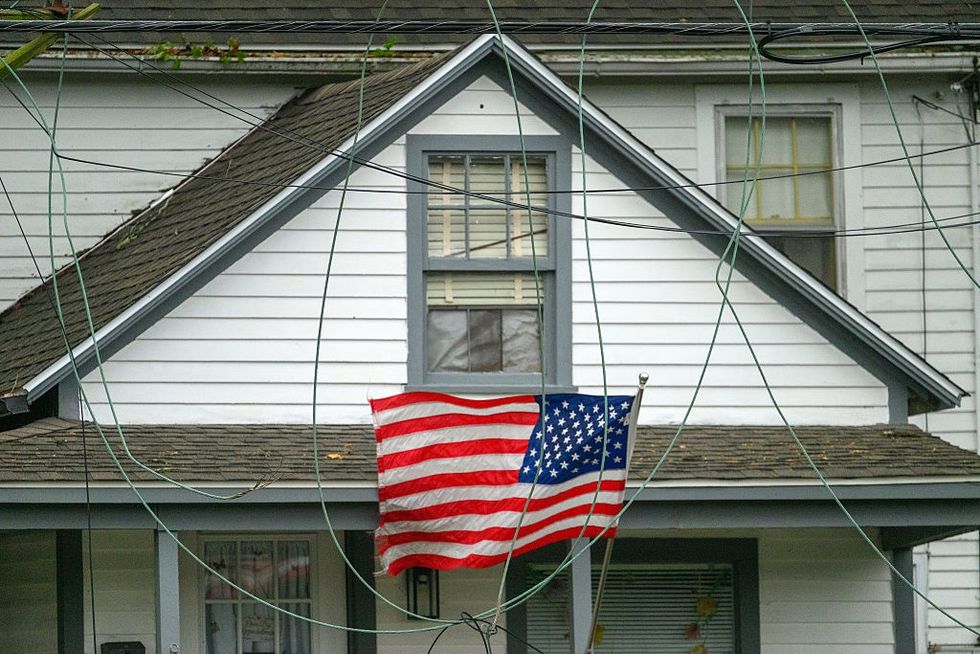
 Tangled power lines in Mansfield, Connecticut. Mark Mirko/Connecticut Public
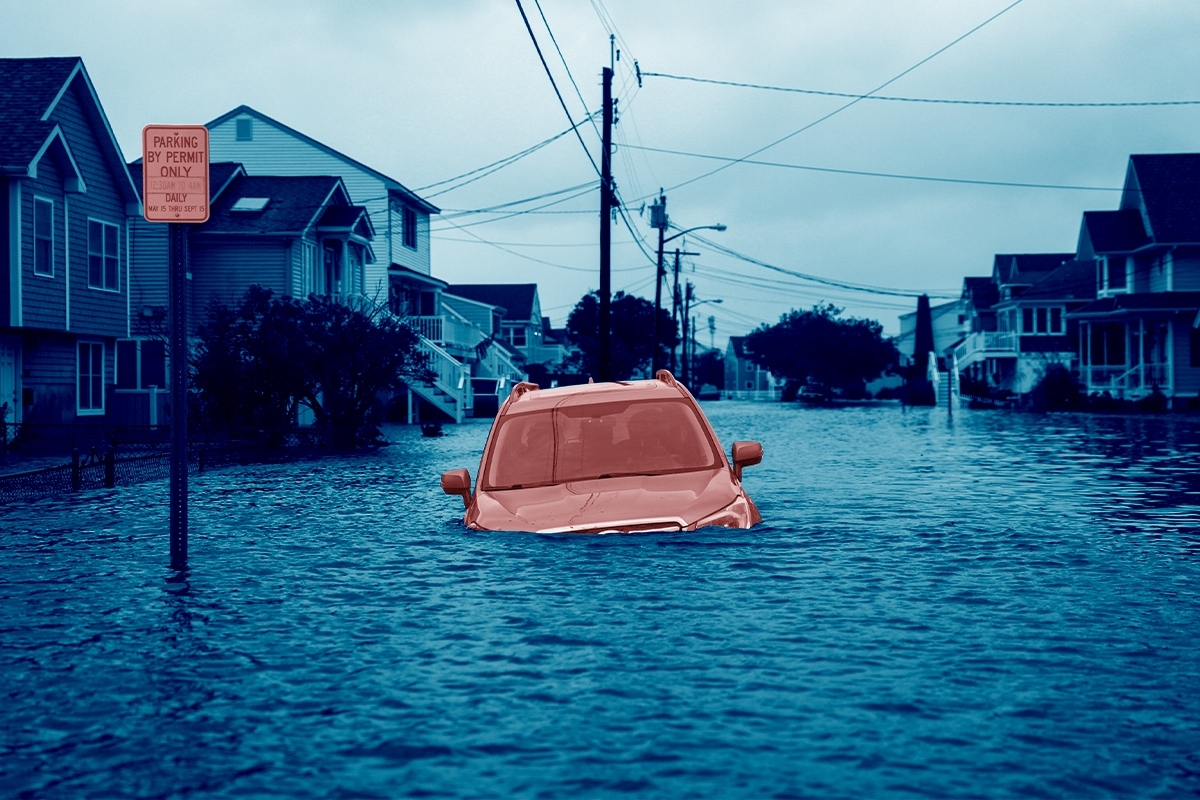
Nearly 200,000 households across the northeastern United States lost electricity over the weekend as a powerful nor’easter storm walloped the nation’s most densely populated region with winds topping 70 miles per hour. Tens of thousands more Americans suffered outages in Hawaii as Hurricane Nolo brushed past the storm-struck archipelago state. By Sunday night, however, just over 90,000 households remained without access to the grid, according to data on the U.S. Power Outage tracker. Of those, roughly 19,000 each were located in New York and Hawaii. As of this morning, the total number dropped to just under 54,000.
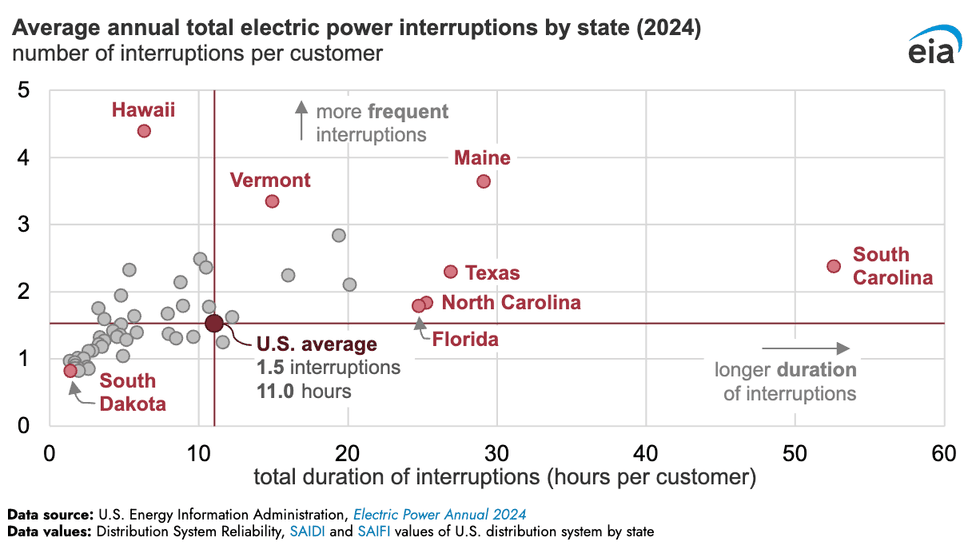
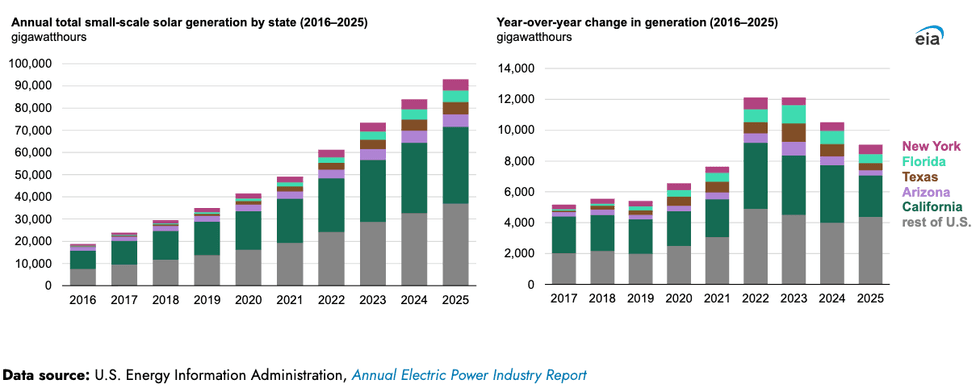
 Rage, rage against the dying of the light. EIA
Americans experienced an average of 11 hours of power interruptions in 2024, nearly twice as many as the annual average in the decade before, according to an analysis last year by the U.S. Energy Information Administration. That was largely due to an increase in powerful storms right as the grid is growing older and the equipment needed to repair and upgrade the system is in short supply. An expert cited in a feature story in The New York Times Magazine last month on the mounting risk of blackouts in the U.S. warned that the country could be thrust into darkness for 18 months or longer if saboteurs took out major transformers.
2. Trump plans to pump the brakes on fuel economy rules
President Donald Trump plans to slash fuel efficiency rules on new cars and light trucks Monday, in his administration’s latest effort to undo regulations meant to curb emissions and save drivers money over the operating lives of their vehicles. In a post on his Truth Social platform, Trump said he had “just approved new Fuel Economy Standards,” falsely claiming that former President Joe Biden had imposed a “mandate” to buy electric vehicles under the most recent update to the rulebook. “The Dumocrats cost our Great Auto Manufacturers $Billions, forced Americans into cars they never wanted, and wasted Billions on Chargers that were never built,” he wrote. “These new Standards will take the waste out of building cars in America.” In his own post on X, Secretary of Transportation Sean Duffy said the final proposal would be released Monday. It wasn’t immediately clear how the agency would alter the rules, but the shift is expected to significantly weaken the standards. The move highlights Trump’s reliance on what the Rhodium Group described earlier this year to my colleague Robinson Meyer as “outdated economics” to justify cars that are cheaper to manufacture but more expensive to drive.
3. China agrees to buy more American coal
China will import at least 10 million metric tons of coal from the U.S. next year and again in 2028, according to a White House fact sheet. The deal, which came out of last week’s summit between Trump and Chinese leader Xi Jinping, is part of an overall pledge to ease tariffs on as much as $30 billion of goods exchange between the two superpowers. In 2023, the U.S. exported roughly 5.9 million metric tons of coal to China, making the People’s Republic the fifth-largest overseas buyer of American coal that year, after India, Japan, the Netherlands, and Brazil. But U.S. exports overall dropped off last year after Beijing halted orders amid the trade war Trump kicked off. The latest purchase agreement helps to restore the American market share lost due to Chinese tariffs.
Sign up to receive Heatmap AM in your inbox every morning:
4. New York’s nuclear plans pit labor unions against socialists
New York wants to build 5 gigawatts of new nuclear reactors, the largest buildout of any other state and far more capacity than the U.S. has added nationwide in decades. During the New York Climate Week festivities last week, the head of the state energy office, the president of the grid operator, and top advisers to Governor Kathy Hochul appeared at a pro-nuclear summit to assure investors, industry officials, and rival states that Albany was moving full-speed ahead. In a public comment submitted to Hochul and state energy regulators last week, however, three dozen state legislators called nuclear reactors “environmentally destructive, expensive, and slow-to-build,” and called instead for devoting all Albany’s spending on new power generation to wind turbines, solar panels, and batteries. Of the signatories, nine lawmakers are Democratic Socialists of America, such as state senators Jabari Brisport, Julia Salazar, and Emily Gallagher — all close allies and friends of the nationally influential New York City Mayor Zohran Mamdani. Much of the rest of the list are self-described progressives.
But the former base of left-wing political power in the U.S. — labor unions — are taking the exact opposite position. In its own public comment, Climate Jobs NY, a coalition of unions that support decarbonization as a way to increase employment, said the only way for New York “to establish a carbon-free energy sector” is to “rely on nuclear power,” which just so happens to boast the most unionized workforce of any energy sector. “There is no other clean firm, or baseload power that can supply industrial operations at scale,” the organization wrote. “Solar, wind and battery storage are essential to our energy supply in the state, but they cannot provide all of the baseload power that our state depends on. For this reason, among others, nuclear must be a key part of New York’s energy future.” Fred Stafford, the pseudonymous energy writer and researcher who has written for Heatmap, pondered on X: “Can the Left be torn away from dead-end environmental nonprofits and renewables developers and instead align with the state’s climate-focused labor unions when it comes to nuclear?”
5. All but one EU nation failed to meet a clean hydrogen directive
If you were looking for a sign that the European Union’s hydrogen ambitions are dimming, consider this: Brussels just announced that it was going after all but one of its member states for failing to enshrine the bloc-wide hydrogen rules into national law. The EU launched what are called “infringement proceedings” — a procedural punishment that can result in financial sanctions — against 26 of the 27 countries in the continental bloc. Brussels adopted the Hydrogen and Decarbonized Gas directive in 2024, and gave countries two years to pass national laws that match the guidelines for establishing domestic clean fuel industries. When the deadline passed early last month, just one nation had met the qualifications, according to Hydrogen Insight: Italy.
When I interviewed Ernest Moniz, the secretary of energy under former President Barack Obama, at a Climate Week event last Wednesday, he told me “nothing has hit the jackpot” on clean fuels just yet. But given that only 21% of end-use energy worldwide is served by electricity, the hunt for affordable, scalable, clean molecules is central to any potential decarbonization effort in the future.
THE KICKER
Ford Motor produces more than 300,000 pickup trucks and sports utility vehicles at its assembly plant in Hermosillo, Mexico, every year. But the facility has been plagued lately by the kind of pest you normally find on city streets: pigeons. Enter: El Charro. The automaker’s “latest employee of the month,” according to The Wall Street Journal, is a hawk the Mexican plant brought on to hunt the pigeons. “It has given very good results,” Jesus Teran, central maintenance manager at Hermosillo and a 25-year veteran at the facility, told the newspaper. The bird’s name harkens to the Mexican term for cowboy.


 Tangled power lines in Mansfield, Connecticut. Mark Mirko/Connecticut Public
 Rage, rage against the dying of the light. EIA


 Solar capacity keeps growing. GoodPower