It’s been a big few weeks for both minerals recycling and venture capital fundraising. As I wrote about earlier this week, battery recycling powerhouse Redwood Materials just closed a $475 million Series E round, fueled by its pivot to repurposing used electric vehicle batteries for data center energy storage. But it’s not the only recycling startup making headlines, as Cyclic Materials also announced a Series C and unveiled plans for a new facility. And despite a challenging fundraising environment, two venture firms announced fresh capital this week — some welcome news, hopefully, to help you weather the winter storms.
Cyclic Materials Announces $75 Million in Series C Funding
Toronto-based rare earth elements recycling company Cyclic Materials announced a $75 million Series C funding round last Friday, which it will use to accelerate the commercialization of its rare earth recycling tech in North America and support expansion into Europe and Asia. The round was led by investment management firm T. Rowe Price, with participation from Microsoft, Amazon, and Energy Impact Partners, among others.
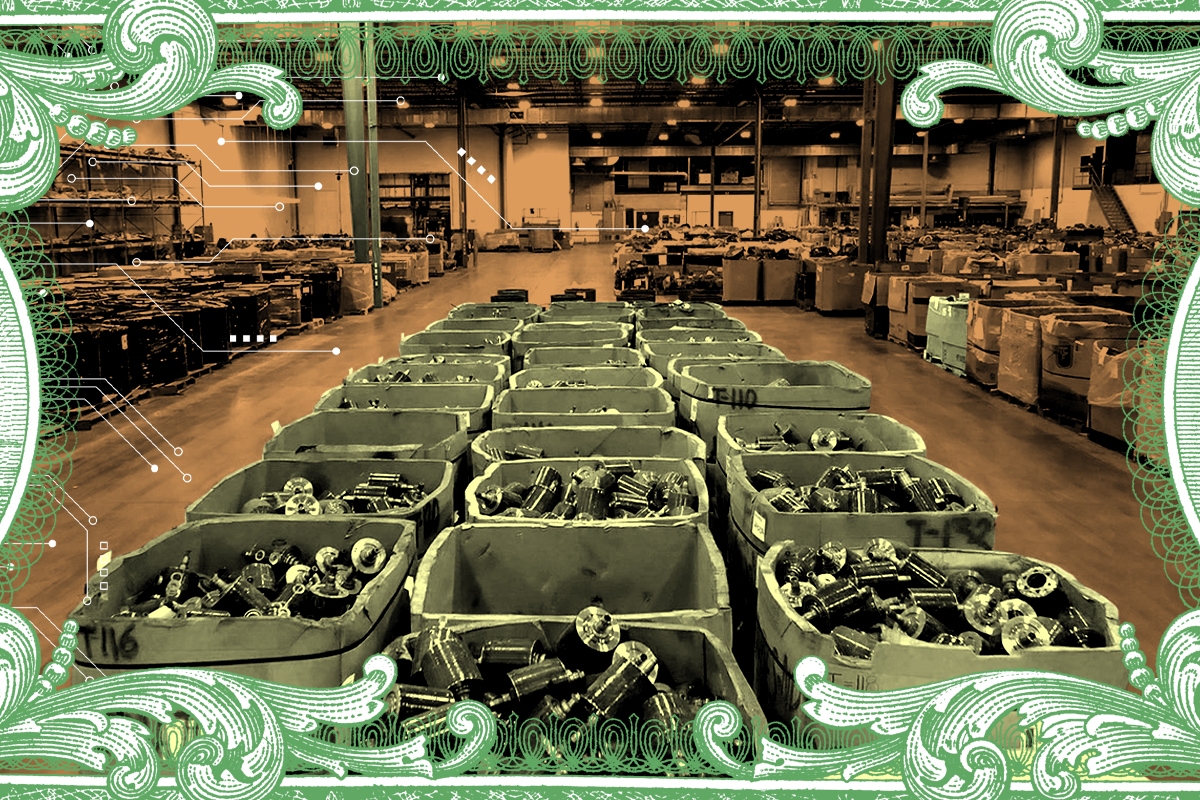
Building on this news, today the startup revealed plans for a new $82 million recycling facility in South Carolina — its largest to date. The plant is expected to begin operations in 2028, and Cyclic says its eventual output would be enough to supply the magnets for six million hybrid-electric vehicle motors annually.
The rare earth supply chain is heavily concentrated in China, where these materials have traditionally been extracted through environmentally intensive mining operations. They’re critical components of high-performance permanent magnets, which are used in a wide range of technologies, from electric vehicles and wind turbines to data center electronics and MRI machines. Cyclic’s proprietary recycling system recovers these magnets from end-of-life products and converts them into a powdered mixture of rare earth oxides that can be used to make new magnets. According to the company, its process reduces carbon emissions by 61% while using just 5% of the water required for conventional mining.
Sustainable Cities-Focused VC 2150 Closes $244 Million Fund II
The London-based urban sustainability firm 2150 announced on Monday that it had closed its second fund, raising €210 million from 34 limited partners — about $250 million. This brings the firm’s total assets under management to nearly $600 million as it doubles down on its thesis that cities — and the industries behind them — offer the greatest opportunity for sustainability wins. Thus far the firm has invested in companies spanning the gamut from cooling and industrial heat to low-carbon cement and urban mobility.
2150 has already invested in seven companies from its new fund, including the industrial heat pump startup AtmosZero, the refurbished electronics marketplace Getmobil, and the direct air capture company MissionZero. According to TechCrunch, the firm plans to back a total of 20 companies from this fund, typically at the Series A stage. Checks will range from about $6 million to $7 million with roughly half of the fund’s capital reserved for follow-on investments.
“Abundance” VC Voyager Ventures Raises $275 Million Fund II
It was also a big week for second fund closes. The firm Voyager Ventures raised $275 million for “technologies that modernize the base layer of the economy,” from energy efficiency to AI and carbon removal. According to The Wall Street Journal, the firm is dropping its formerly advertised “climate tech” label to avoid any association with government subsidies or green premiums, focusing instead on advancing the Trump administration’s national security, energy independence, and domestic manufacturing agenda. The strategy appears to be working: Voyager co-founder Sierra Peterson told the Journal that five of its portfolio companies have secured federal contracts during the second Trump administration.
In an announcement letter posted to its website on Tuesday, the firm wrote, “Abundance is not automatic, but it is technologically favored,” going on to explain that it will focus its investments on three areas that it considers the “fundamental drivers of growth” — electrification, critical materials and resources such as AI computing infrastructure and minerals, and advanced manufacturing. “As energy, compute, and production scale in tandem, systems become more durable and scarcity recedes,” the letter went on to state.
The firm has already begun investing out of this second fund, which held its first close in October 2024. Its investments include backing for the EV charging platform ENAPI, a company called Electroflow Technologies that’s pursuing a novel approach to lithium extraction, and the advanced industrial materials startup Leeta Materials.
Bonus: Form Energy Reportedly Raising Up To $500 Million Before IPO
Axios reported on Wednesday that “a source familiar” with Form Energy’s plans says the long-duration battery storage startup is seeking to raise between $300 million and $500 million, in what’s likely to be its last equity round before targeting an IPO in 2027. The company, which is developing 100-plus-hour grid-scale storage using its iron-air technology, last raised a $405 Series F funding round in October 2024, bringing its total funding to over $1.2 billion.
The company is now deploying its very first commercial batteries in Minnesota. Form has yet to release a public statement about either its fundraising or IPO plans, so watch this space for further developments.







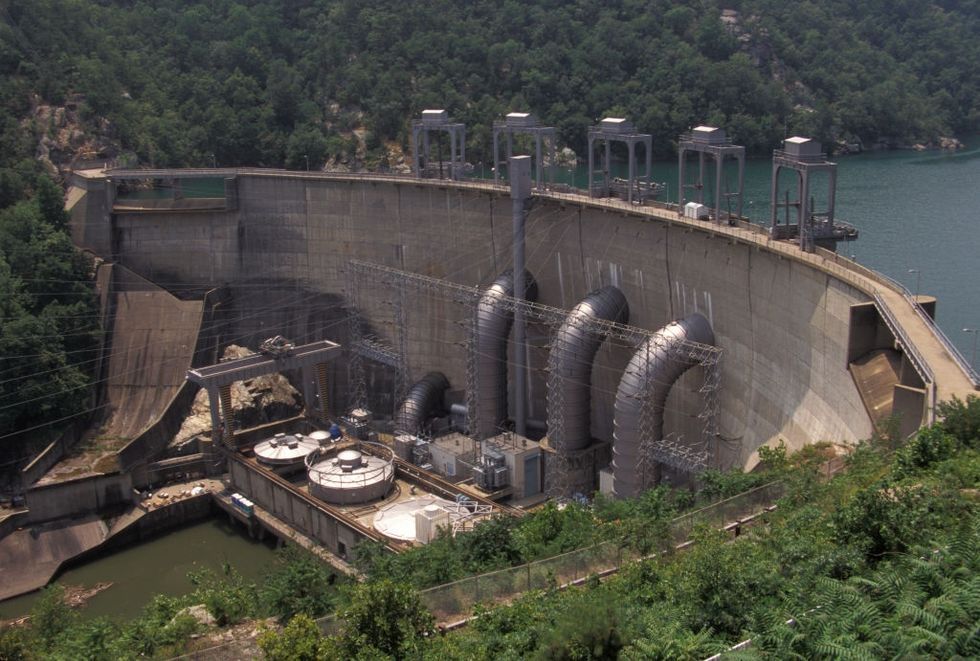 The Smith Mountain Project, a 600-megawatt pumped storage facility in Virginia. Education Images/Universal Images Group via Getty Images